What Is VM in Massage Therapy? A Helpful Explanation from The Mark of Massage
At The Mark of Massage in Castle Rock, Colorado, I’ve been providing personalized therapeutic massage since 2004—focusing on deep tissue, sports massage, trigger point therapy, Esalen, prenatal, hot stone, structural integration, and more. In professional discussions, client notes, or when exploring advanced modalities, you might come across the abbreviation VM. This most commonly stands for Visceral Manipulation (sometimes called “organ massage” or visceral work).
What Is Visceral Manipulation (VM)?
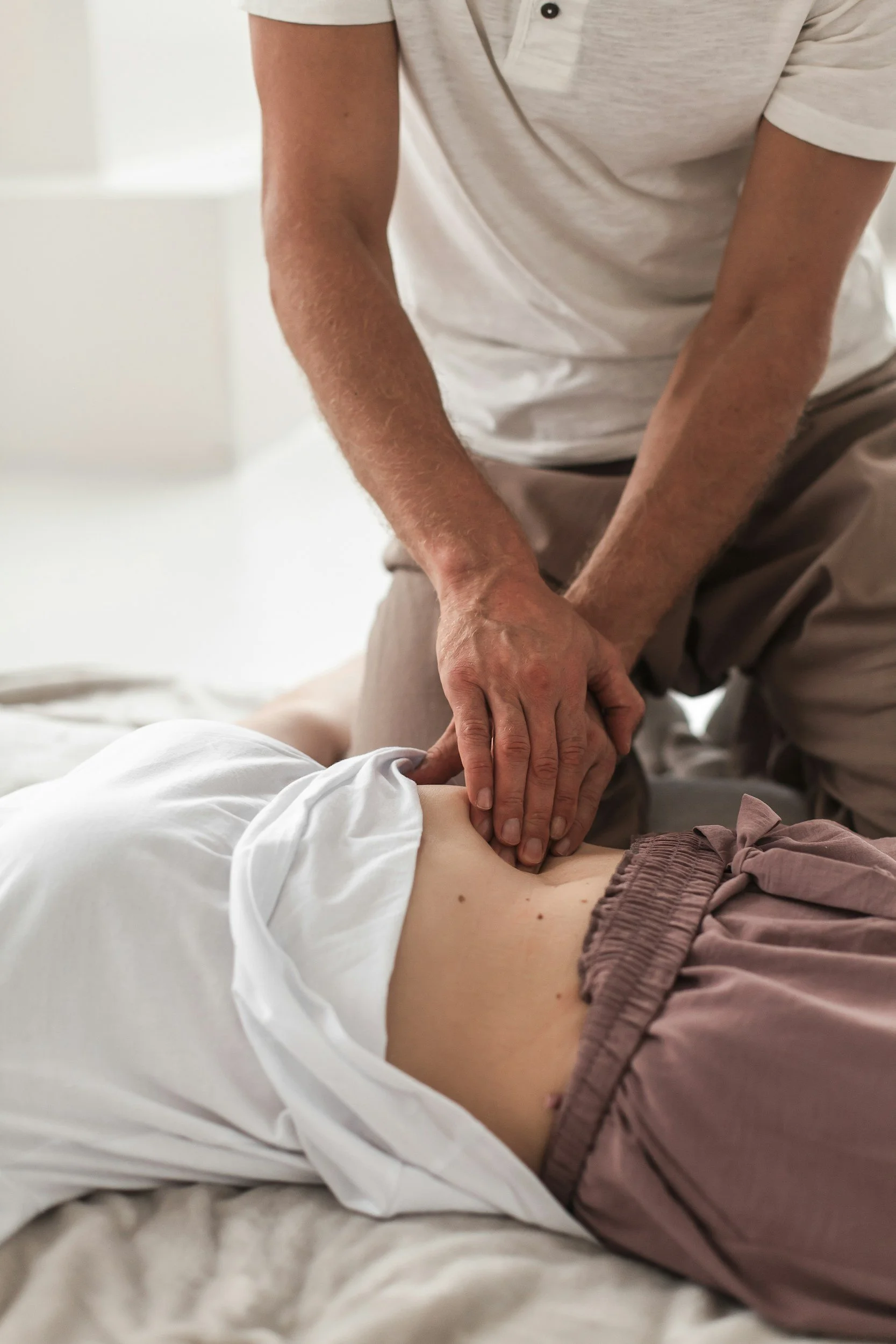
Visceral Manipulation (VM) is a gentle, hands-on manual therapy that targets the internal organs (viscera) of the body—such as the liver, stomach, intestines, kidneys, lungs, heart, and more. Developed by French osteopath and physical therapist Jean-Pierre Barral, VM focuses on releasing restrictions, adhesions, or unhealthy compensations in the fascia, ligaments, and connective tissues surrounding these organs. This helps restore their natural mobility (gliding and movement) and motility (internal rhythmic motion), which can improve overall function and reduce pain.
Unlike traditional muscle-focused massage, VM addresses how organ restrictions can contribute to issues elsewhere in the body. For example:
• A restricted liver might refer tension to the right shoulder or contribute to neck stiffness.
• Abdominal restrictions could play a role in digestive discomfort, low back pain, or even chronic headaches.
The technique uses very light, precise pressure—gentle compression, elongation, and mobilization—often applied to the abdomen (or other areas like the thorax or pelvis). It’s non-invasive, fully draped for privacy, and feels subtle compared to deeper muscle work.
Common Benefits and When VM Might Be Helpful
VM is often used for:
• Digestive issues (e.g., bloating, constipation, IBS-like symptoms)
• Chronic pain (back, neck, pelvic, or referred pain)
• Post-surgical scar tissue or adhesions
• Stress-related tension affecting organ function
• Sports or injury recovery where compensatory patterns linger
Many clients experience noticeable improvements in mobility, reduced discomfort, and better overall well-being after just a few sessions—though results vary based on individual needs.
How This Fits at The Mark of Massage
While my primary expertise lies in therapeutic modalities like deep tissue, sports, trigger point, and structural integration (which often address musculoskeletal issues), I appreciate advanced techniques like VM for their holistic approach. If a client’s needs align (e.g., chronic abdominal tension or referred pain), I can refer to or collaborate with specialists trained in VM (such as those certified through the Barral Institute). For most sessions here—whether in-home/mobile (within ~30 minutes of my home office at 949 Mountain View Dr, Castle Rock, CO 80104) or in the private lower-level space (fully secluded, with occasional family sounds from upstairs outside the room)—we focus on what your body needs most, with clear communication and boundaries.
If you’re curious about VM or think it might complement your therapeutic work (e.g., for digestive support alongside sports recovery or deep tissue relief), let’s discuss during booking—I can guide you toward the best options.
Sources for Verification (based on 2025–2026 professional resources and industry standards):
• Barral Institute (official source): Developer of Visceral Manipulation, gentle manual therapy for organ mobility and dysfunction (https://discovervm.com/)
• Massage Magazine: Explains VM as a tool for massage therapists addressing persistent issues through organ-fascia connections (https://www.massagemag.com/the-power-of-visceral-manipulation-152053/)
• Traditional Bodywork: Describes VM as an abdominal/organ-focused healing modality by Jean-Pierre Barral (https://www.traditionalbodywork.com/what-is-visceral-manipulation-vm/)
• Various therapeutic sites (e.g., Therapeutic Body Concepts, Federal Way Muscular Therapy): Consistent definition of VM as gentle manual therapy for internal organs, restrictions, and whole-body imbalances
Your comfort and results are always my priority—hope this helps clarify VM! Ready for your next customized session? Contact The Mark of Massage today. 😊
